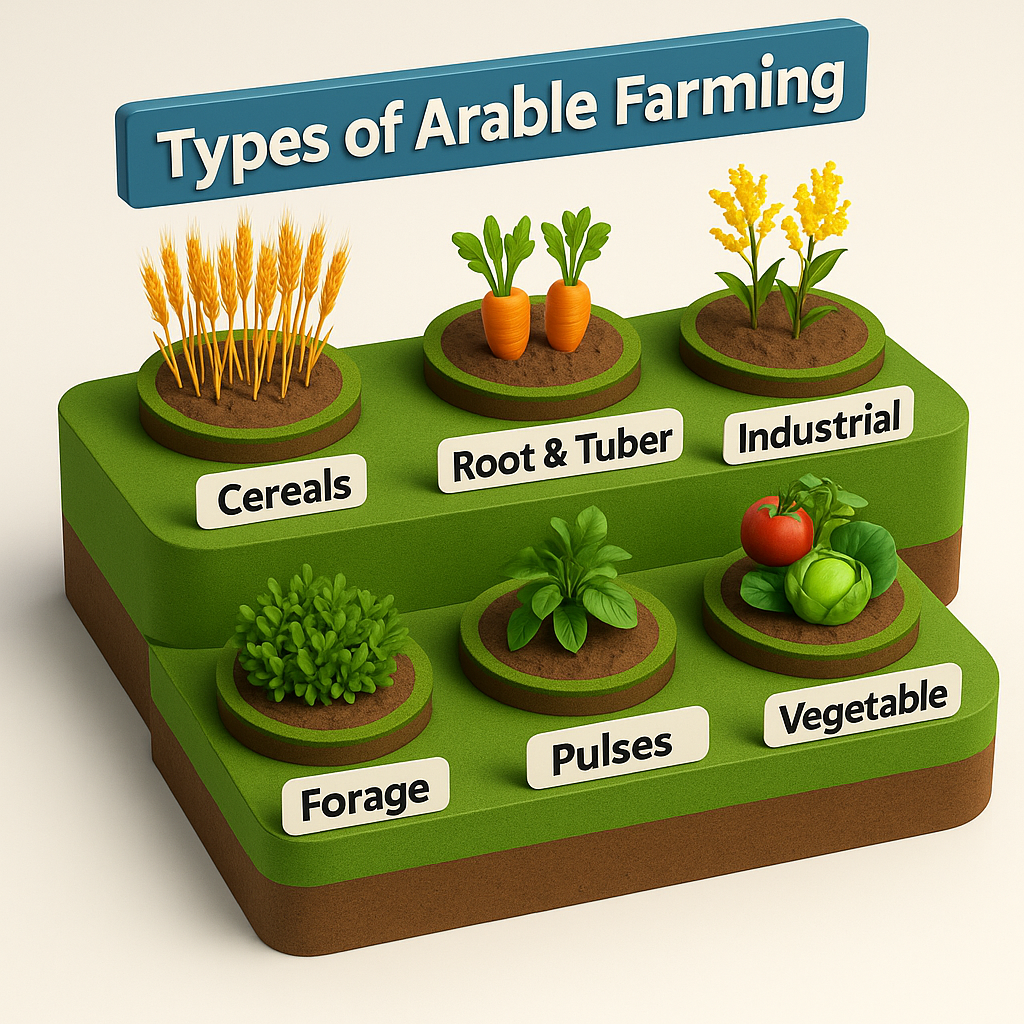
Urban farming refers to the practice of growing food within cities and peri-urban areas. It includes cultivating vegetables, fruits, herbs, and even raising small livestock in spaces such as rooftops, balconies, backyards, vacant plots, indoor facilities, and vertical structures. Urban farming is not a new idea; historical civilizations integrated food production into urban planning. However, rapid urbanization, climate stress, food supply disruptions, and rising food prices have revived urban farming as a strategic solution for modern cities.
More than half of the world’s population now lives in urban areas, and this proportion continues to rise. Traditional rural agriculture alone struggles to supply fresh, affordable food to dense urban populations due to transportation cost, post-harvest losses, and supply-chain vulnerability. Urban farming addresses these challenges by producing food closer to consumers, reducing distance, time, and resource waste.
Urban agriculture transforms unused or underutilized urban spaces into productive food systems. It improves food security, enhances urban sustainability, creates employment, and reconnects city residents with food production processes.
- Concept and Scope of Urban Farming
Urban farming is not limited to small home gardens. It represents a wide spectrum of production systems ranging from household-scale food gardening to high-tech commercial vertical farms.
Urban farming systems may include:
Rooftop vegetable gardens
Balcony and container gardening
Community and allotment gardens
Indoor vertical farming facilities
Hydroponic and aquaponic systems
School and institutional gardens
Peri-urban market gardens
The scope of urban farming expands beyond food production to include waste recycling, water conservation, climate adaptation, employment, education, and social cohesion.
- Types of Urban Farming Systems
3.1 Rooftop Farming
Rooftop farming converts unused roofs into productive green spaces. It may involve:
Soil-based beds
Raised containers
Lightweight growing media
Drip irrigation
Benefits include temperature regulation of buildings, reduced heat-island effect, and fresh local produce.
3.2 Vertical Farming
Vertical farming uses stacked layers or shelves to grow crops indoors or in controlled environments. It relies on:
Artificial or LED lighting
Temperature and humidity control
Nutrient solution management
Vertical farms maximize output per square meter and can operate year-round.
3.3 Hydroponic Farming
Hydroponics grows plants without soil, using water-based nutrient solutions. It is popular in cities due to:
Low space requirement
High water efficiency
Clean production
Leafy greens and herbs perform especially well.
3.4 Aquaponics
Aquaponics integrates fish culture with hydroponic plant production. Fish waste provides nutrients for plants, creating a closed-loop system.
3.5 Community Gardens
Community gardens involve shared spaces managed collectively by residents. They provide fresh food, social interaction, and environmental education.
3.6 Peri-Urban Farming
Peri-urban farms are located on the edges of cities and supply nearby urban markets with fresh vegetables, milk, and eggs.
- Crops Suitable for Urban Farming
Urban farming prioritizes fast-growing, high-value crops:
Leafy greens (lettuce, spinach, kale)
Herbs (basil, coriander, mint)
Tomatoes
Peppers
Strawberries
Microgreens
Cucumbers
Crop selection depends on space, light availability, climate control, and market demand.
- Scientific and Technical Foundations
Urban farming relies on precise resource management.
5.1 Light Management
Plants require specific light intensity and spectrum. Indoor farms use LED systems optimized for photosynthesis.
5.2 Nutrient Management
Hydroponics and container systems depend on carefully balanced nutrient solutions to avoid deficiencies or toxicity.
5.3 Water Efficiency
Urban farms use:
Drip irrigation
Recirculating hydroponic systems
Rainwater harvesting
Water use can be reduced by more than 70% compared to conventional agriculture.
5.4 Microclimate Control
Temperature, humidity, and airflow are controlled to optimize growth and minimize disease pressure.
- Economic Aspects of Urban Farming
6.1 Low Transportation Cost
Food is grown close to consumers, reducing fuel cost and post-harvest losses.
6.2 Market Premium
Urban consumers often pay premium prices for:
Freshness
Local production
Pesticide-free food
6.3 Employment and Entrepreneurship
Urban farming creates jobs in:
Production
Marketing
Agri-tech services
Education and training
6.4 Capital Investment
High-tech urban farms require upfront investment, but returns improve with scale, technology, and market access.
- Environmental and Social Benefits
Reduced carbon footprint
Improved air quality
Urban heat-island mitigation
Recycling of organic waste
Community engagement
Educational opportunities
Urban farms contribute to greener, more resilient cities.
- Challenges in Urban Farming
Limited space
High initial investment
Regulatory restrictions
Structural load limits on rooftops
Energy cost for indoor farms
Technical skill requirement
Successful urban farms require planning, proper design, and skilled management.
- Urban Farming Around the World
Asia
Rooftop and balcony farming is expanding in cities like Tokyo, Singapore, and Mumbai.
Europe
Community gardens and rooftop farms are integrated into urban planning.
North America
Vertical farms and indoor facilities supply supermarkets year-round.
Africa
Urban agriculture supports food security and livelihoods in rapidly growing cities.
- Role in Sustainable Cities
Urban farming aligns with goals of:
Sustainable food systems
Climate adaptation
Circular economy
Smart-city development
It reduces dependency on long supply chains and strengthens local resilience.
11(FAQs)
- What is urban farming?
Food production within cities using rooftops, indoor systems, or small plots. - Is urban farming profitable?
Yes, especially for high-value crops and direct-to-consumer markets. - Which method is best for cities?
Hydroponics and vertical farming are most space-efficient. - Does urban farming reduce pollution?
Yes, through lower transport emissions and green cover. - Can urban farming feed entire cities?
It complements rural agriculture and improves food resilience. - Is soil required for urban farming?
Not always; hydroponics and aeroponics use no soil. - What crops grow best indoors?
Leafy greens, herbs, and microgreens. - Does urban farming save water?
Yes, significantly compared to conventional farming. - Are pesticides used in urban farming?
Minimal or none, especially in controlled environments. - Is urban farming scalable?
Yes, with technology and supportive policies. - Conclusion
Urban farming is no longer a niche activity. It is a strategic response to urbanization, climate pressure, and food-system vulnerability. By bringing food production closer to consumers, urban farming improves freshness, reduces environmental impact, and strengthens community resilience. From simple rooftop gardens to advanced vertical farms, urban farming represents the future of sustainable food production in cities worldwide.
✍️Farming Writers Team
Love farming Love Farmers.
Read A Next Post 👇
https://farmingwriters.com/mixed-farming-integrated-crop-livestock-guide/